
Listening isn’t a slogan—it’s the foundation of rare disease care
By Josep Catlla, EVP, Corporate Affairs Officer, Ipsen
Every year, Rare Disease Day reminds us that rare conditions impact far more lives than many realize -over 300 million people globally, across more than 10,000 identified rare diseases. Yet what strikes me most on this day of recognition and reflection is that listening to patients remains an under-utilized lever for achieving progress in healthcare.
Listening to patients isn’t just a “nice to have.” It is one of the most powerful levers to improve research, development, regulation, access, and lifelong care. When we integrate patient insights early, we de-risk science, design better trials, and accelerate access to meaningful treatments.‑risk science, design better trials, and accelerate access to meaningful treatments.
We see this every day. Maria, whose son was diagnosed late with biliary atresia, told us: “If I’d had more information and a quicker diagnosis, we may have avoided a transplant.”
Wendy, living with PBC, shared: “I just want to be listened to. PBC affects many aspects of life, not only liver tests.”
Their experiences reflect a broader reality: delayed diagnosis, inconsistent care, and symptoms that are often dismissed. Behind each statistic is someone hoping for an ordinary life—sleep, school, work, dignity, stability.
Listening means understanding the whole person, not just their biology. Rare diseases disrupt education, employment, mental health, and family life. Economic analyses consistently show that the greatest burden is carried by families—through lost income, caregiving, and out-of-pocket costs. Listening, therefore, is not courtesy. It is a strategy for equity and societal resilience.
Across the medicine and care lifecycle, we can transform listening into meaningful outcomes through a structured, end-to-end approach beginning with partnering with patients in order to build meaningful endpoints into clinical trials; align early with regulators and HTA bodies; embed PROs and PREMs into routine care; measure outcomes that matter: work, learning, mental wellbeing, caregiver burden.
At Ipsen, we are committed to integrating the patient’s voice from discovery through lifelong care. But this is a shared responsibility across the entire ecosystem. So, if we truly want to help people living with rare diseases achieve more than you can imagine, the Rare Disease Day annual theme, listening to patients cannot be a value-based aspiration. It must be regular practice across discovery, research and development, clinical, regulatory, health technology assessments, access, and lifelong care. Only by listening more than we talk, can we help people living with rare diseases achieve more than they ever imagined, and more than the system has historically enabled.
How useful was this post?
Click on a star to rate it!


Rare Disease Day 2026: Listening to Patients to Imagine Better Futures

Alagille syndrome (ALGS) Awareness Day – Where powerful connections can make the difference.

Ipsen at The Liver Meeting 2025
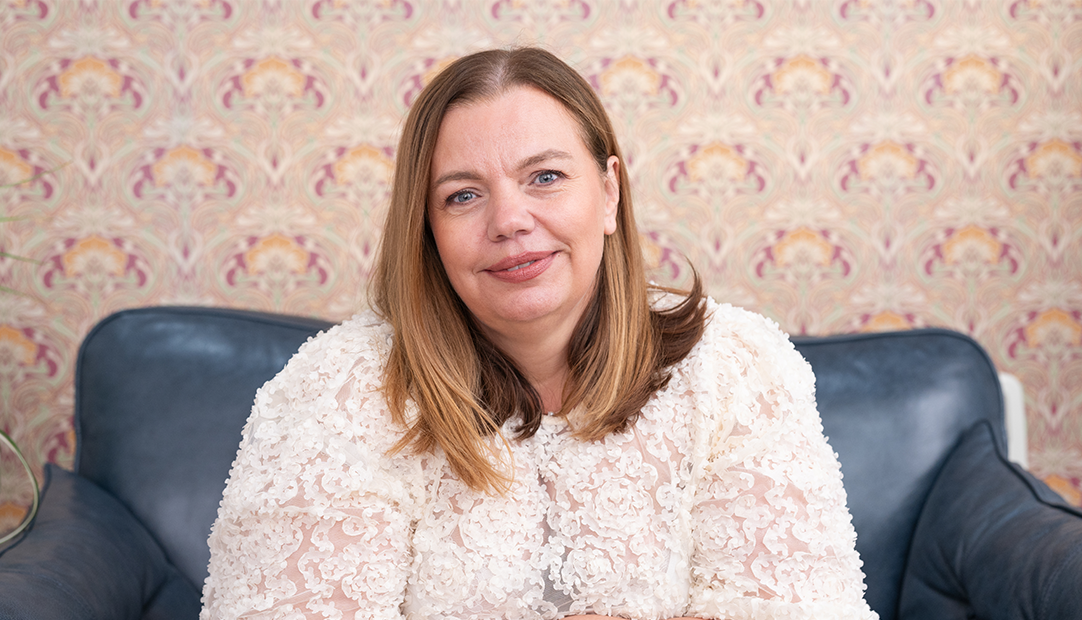
Beyond tired: Understanding fatigue in Primary Biliary Cholangitis
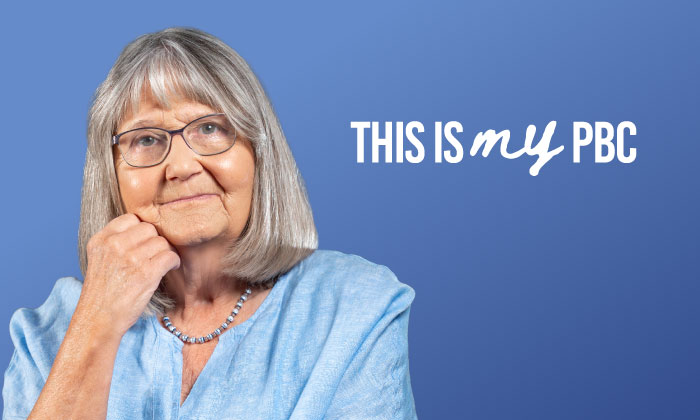
Meet Gill, living with PBC
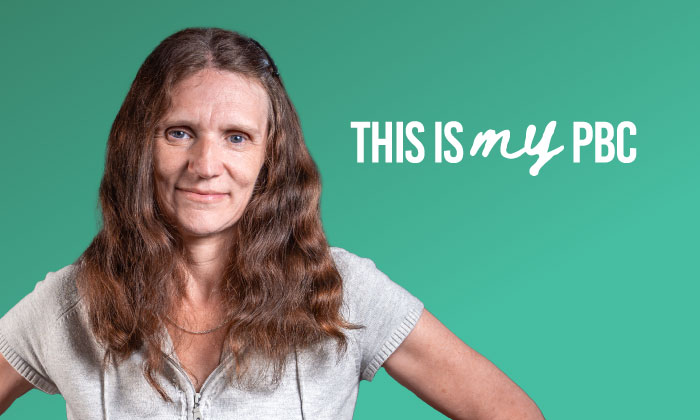
Meet Wendy, living with PBC
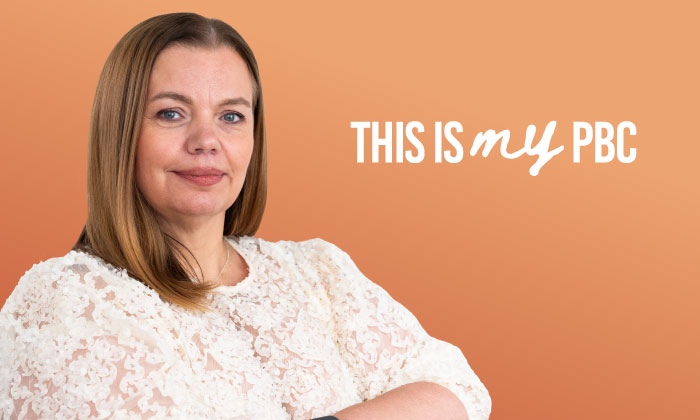
Meet Jo, living with PBC
Collette: finding community through PBC
Caitlin: learning to accept care as a caregiver
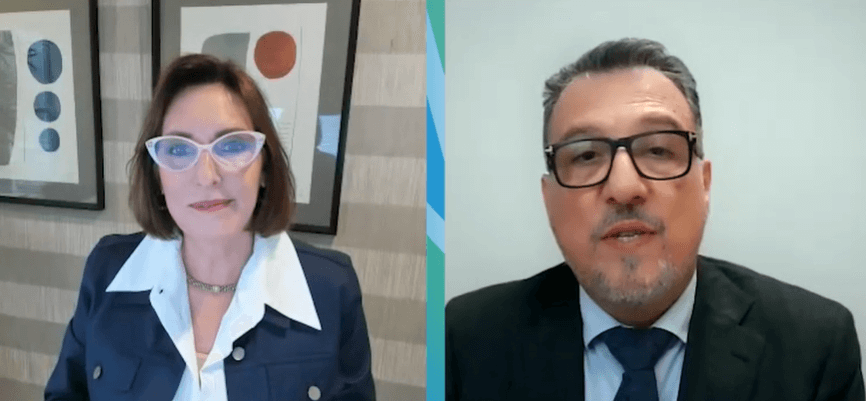
Fireside Chat: Innovation and Policy Change in Rare Diseases in Europe